Anetthy: A Sweet Handwritten Font for Crafters
As a maker who spends hours perfecting the curve of a sticker or the alignment of text on a candle label, I know that the right typeface can make or break a product. We often obsess over paper weight, ink quality, and packaging materials, but the font we choose is the voice of our brand. It is the first thing a customer reads, and it sets the emotional tone before they even touch the physical item. This is why discovering Anetthy felt like finding a missing piece in my design toolkit. It is not just another addition to my library; it has quickly become a go-to resource for projects that require warmth, personality, and a touch of handmade charm.
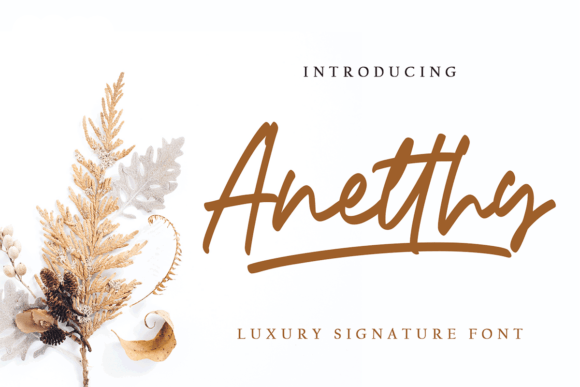
Anetthy is a sweet and beautiful handwritten font that captures the organic flow of natural handwriting without sacrificing readability. In the world of Script Handwritten typography, there is often a trade-off between artistic flair and legibility. Anetthy bridges this gap beautifully. It possesses a playful yet elegant personality, making it versatile enough for both whimsical children’s products and sophisticated wedding stationery. For those of us running small shops, creating printables, or designing custom gifts, having a font that feels authentic and human is invaluable. It adds that crucial "handcrafted" feel that mass-produced items simply cannot replicate.
Bringing Warmth to Physical Products and Labels
One of the most practical applications for Anetthy is in product labeling and packaging. Whether you are pouring soy candles, mixing bath salts, or sewing tote bags, your label is your silent salesperson. A generic sans serif font might convey information, but it rarely conveys emotion. Anetthy, with its gentle strokes and inviting curves, instantly elevates the perceived quality of a product. Imagine a minimalist kraft paper tag on a linen dress or a sleek black label on a amber glass jar. When you apply Anetthy to these surfaces, the result is boutique-quality branding that feels personal and curated.
For sticker designers and creators of planner accessories, this font offers excellent versatility. It works wonderfully for short phrases, names, and decorative wording. Because it is a display font, it shines when used for titles or focal points rather than long paragraphs of body text. I have found it particularly effective for creating motivational quote stickers, name labels for school supplies, and decorative headers for digital planner pages. The letters connect smoothly, creating a cohesive look that draws the eye across the design. However, it is important to maintain adequate spacing and size to ensure clarity, especially when printing on small formats like circular lip balm labels or tiny jewelry tags.
Elevating Invitations and Wedding Stationery
The wedding and event industry relies heavily on the emotional impact of typography. Couples want their invitations to reflect the joy and intimacy of their celebration. Anetthy fits seamlessly into this niche, offering a romantic aesthetic that feels modern rather than dated. It is an excellent choice for wedding welcome boards, seating charts, and menu cards. Its handwritten style mimics the look of calligraphy but with a more approachable, less formal vibe. This makes it perfect for rustic barn weddings, bohemian outdoor ceremonies, or intimate backyard gatherings.
Beyond weddings, this font is a standout for birthday invitations, baby shower announcements, and holiday cards. The sweetness of the letterforms adds a celebratory touch that resonates with recipients. When designing these items, I often use Anetthy for the names of the hosts or the honoree, pairing it with a simpler font for the logistical details like date, time, and location. This hierarchy ensures that the design remains attractive while remaining functional and easy to read. For printable invitation creators, offering templates that feature Anetthy can be a significant selling point, as customers are increasingly looking for designs that feel unique and personalized.
Practical Tips for Readability and Production
While Anetthy is visually stunning, using any script font requires attention to technical details, especially for crafters using cutting machines like Cricut or Silhouette. When preparing files for vinyl cuts or heat transfer vinyl (HTV) for shirts and mugs, always check the connections between letters. Some handwritten fonts have very thin connectors that may not cut cleanly or may peel off during application. Anetthy is generally robust, but it is wise to test a small sample first. Adjusting the size of your design can also impact readability; ensure that the font is large enough to be read from a distance if it is being used on signs or wall art.
For digital downloads and SVG-style designs, consider how the font renders on different screens and backgrounds. High contrast is key. Using Anetthy in dark ink on light paper, or white vinyl on dark fabric, ensures maximum visibility. If you are creating layered designs, such as shadow effects or multi-color text, keep the layers aligned precisely to maintain the integrity of the handwritten illusion. Mockup previews are essential here. Always view your design in a realistic setting before finalizing it for sale or production. This helps you catch any issues with kerning or spacing that might not be visible in a flat digital file.
Strategic Font Pairing for Brand Identity
A single font rarely carries a entire design alone. To create a balanced and professional look, pairing Anetthy with complementary typefaces is essential. Since Anetthy is an expressive script, it pairs best with clean, simple fonts that do not compete for attention. A modern sans serif font is an ideal companion, providing a neutral base that allows the handwritten elements to shine. For a more traditional or literary feel, you might pair it with a classic serif font. This combination works well for book covers, journaling cards, and vintage-inspired posters.
When building a brand identity, consistency is crucial. If you use Anetthy for your logo, consider using it sparingly in other marketing materials to maintain its impact. Use it for headlines, product names, and special announcements, while relying on a secondary font for body text and detailed descriptions. This approach creates a recognizable visual language that customers can associate with your shop. Over time, this consistency builds trust and recognition, turning casual browsers into loyal customers.
Licensing and Commercial Use Considerations
Before integrating Anetthy into your commercial projects, it is vital to review the licensing terms. Most premium fonts offer different licenses for personal and commercial use. As a seller of physical products, templates, or digital downloads, you must ensure that your usage falls within the permitted scope. Typically, a standard commercial license allows you to use the font in end-products that you sell, such as printed t-shirts, mugs, invitations, and stickers. However, embedding the font file itself in a downloadable template or app usually requires an extended license. Always check the specific terms provided by the font creator to avoid legal issues and support the designers who create these valuable assets.
In conclusion, Anetthy is more than just a set of letters; it is a tool for storytelling. It allows crafters and small business owners to infuse their products with personality and warmth. From the delicate script on a wedding invitation to the bold lettering on a farmhouse sign, this font adapts to various mediums while maintaining its charming character. By understanding its strengths, pairing it wisely, and using it responsibly, you can enhance your product presentation and connect more deeply with your audience. Add Anetthy to your collection, and you will likely find, as I did, that it becomes an indispensable part of your creative process.